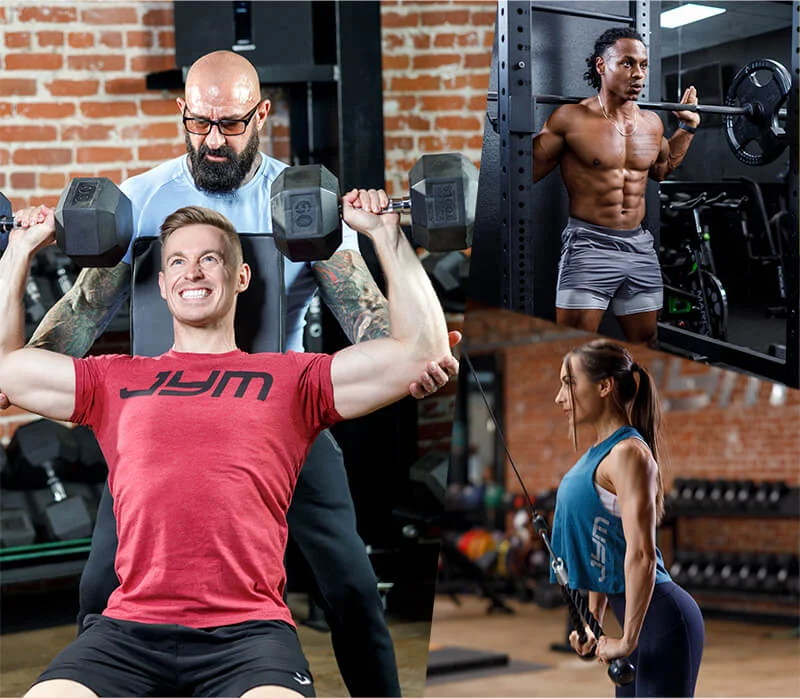
If you want a stronger, more defined upper body, focusing on good chest exercises is essential. The chest muscles play a major role in pushing movements, posture, and overall upper-body strength. Whether you train at home or in the gym, choosing the right chest exercises can help you build muscle safely, improve performance, and see visible results over time. This guide breaks down what makes chest training effective and how to use good chest exercises to support long-term progress.
Why Good Chest Exercises Matter
Good chest exercises do more than improve appearance. The chest muscles support everyday movements such as pushing doors, lifting objects, and stabilizing the shoulders. When trained properly, they also help reduce shoulder strain and improve posture.
Many people make the mistake of training the chest with too much weight and poor form. True progress comes from controlled movements, proper range of motion, and balanced training. Good chest exercises emphasize muscle engagement over ego lifting.
Understanding the Chest Muscles
To get the most out of good chest exercises, it helps to understand the muscles involved. The chest is primarily made up of the pectoralis major and pectoralis minor. These muscles work together to move the arms across the body and away from it.
Different angles and movements activate different areas of the chest. This is why variety is important. Flat, incline, and bodyweight movements all play a role in complete chest development.
Bodyweight Chest Exercises That Work
Bodyweight movements are some of the best options for beginners and experienced lifters alike. Push-ups are one of the most effective good chest exercises because they engage the chest, shoulders, arms, and core at the same time.
Wall push-ups and knee push-ups are excellent variations for beginners, while standard and decline push-ups increase intensity. These exercises allow you to focus on form and muscle control without the risk of heavy weights.
Bodyweight chest exercises are also convenient and can be done almost anywhere, making them ideal for consistent training.
Dumbbell and Resistance-Based Chest Exercises
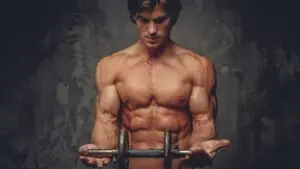
Dumbbells and resistance bands add variety and progression to chest training. Exercises such as chest presses and chest fly variations are considered good chest exercises because they allow a full range of motion and help correct muscle imbalances.
Unlike machines, dumbbells require each side of the body to work independently. This improves coordination and helps prevent strength imbalances that can lead to injury.
Resistance bands are also effective, especially for home workouts. They maintain tension throughout the movement, which increases muscle engagement.
How Often Should You Train Your Chest?
Training frequency plays a big role in results. Most people benefit from training the chest two times per week with at least 48 hours of rest between sessions. This allows the muscles to recover and grow stronger.
Overtraining can slow progress and increase the risk of injury. Good chest exercises performed with proper volume and recovery will always outperform excessive workouts.
Listening to your body and adjusting volume based on recovery is key.
Proper Form Makes the Difference
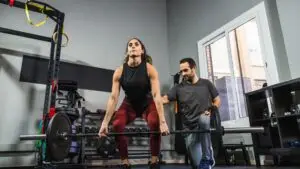
Form is what separates good chest exercises from ineffective ones. Proper form ensures the chest muscles do the work rather than the shoulders or arms taking over.
Focus on slow, controlled movements and full range of motion. Lowering the weight or body under control and pressing with intention improves muscle activation and reduces injury risk.
Breathing also matters. Exhale during the pushing phase and inhale during the lowering phase to maintain stability and control.
Common Mistakes to Avoid in Chest Training
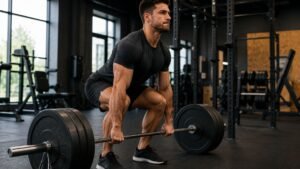
One of the most common mistakes is using too much weight. Heavy loads with poor form often shift stress to the shoulders and elbows.
Another mistake is neglecting warm-ups. Warming up the shoulders, chest, and upper back prepares the joints and muscles for pressing movements.
Finally, many people focus only on pressing exercises and ignore balance. Including back and shoulder training supports healthy chest development and posture.
Long-Term Benefits of Consistent Chest Training
Consistently performing good chest exercises improves more than strength and muscle size. Many people notice better posture, improved confidence, and increased upper-body endurance.
As strength improves, daily tasks feel easier and workouts become more enjoyable. Chest training also supports progress in other lifts and athletic movements.
The key is patience. Muscle growth takes time, but consistency always pays off.
Build a Stronger Chest With the Right Plan
Good chest exercises can help you build strength, improve posture, and feel more confident in your training. The key is following a structured approach that matches your experience level and goals. If you want guidance on choosing the right chest exercises and building a balanced program, consider working with a fitness professional or following a proven training plan designed for long-term success.