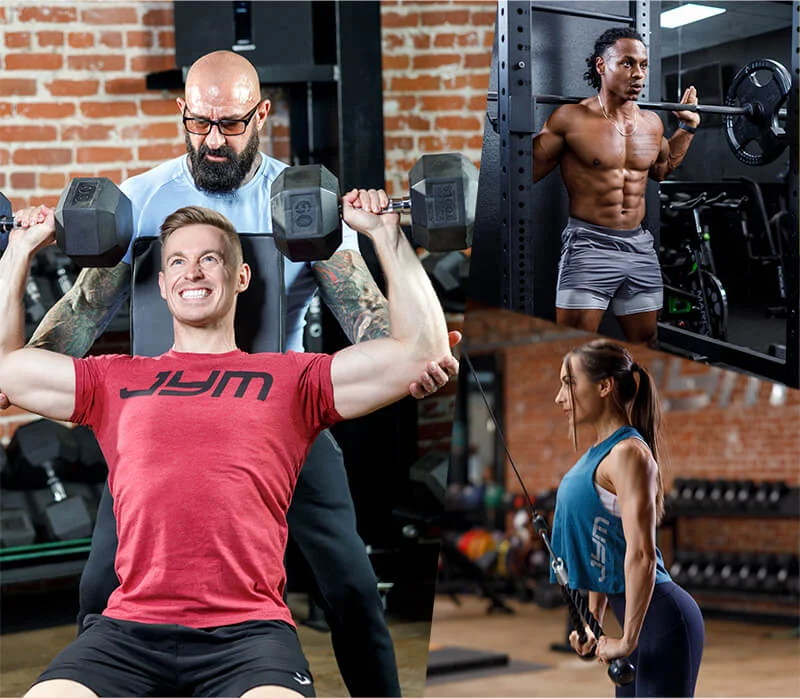
Starting a fitness journey can feel overwhelming, especially if you’re new to strength training. The good news is that a dumbbell routine for beginners is one of the easiest and most effective ways to build muscle, improve mobility, and gain confidence in your workouts.
Dumbbells are beginner-friendly, affordable, and incredibly versatile. With just one pair, you can train your entire body, whether you’re exercising at home or in the gym. Best of all, you can progress at your own pace by simply adjusting the weight or repetitions.
In this guide, you’ll learn why dumbbells are perfect for beginners, which exercises to focus on, and how to follow a simple weekly routine that fits into real life.
Why a Dumbbell Routine for Beginners Works So Well
Unlike machines, dumbbells allow your body to move naturally. This helps activate stabilizing muscles and improves coordination. For beginners, this means developing balanced strength while learning proper movement patterns from the start.
A dumbbell routine for beginners also lets you scale intensity easily. If an exercise feels too hard, use lighter weights or fewer reps. If it feels too easy, gradually increase resistance. This flexibility makes dumbbells ideal for long-term progress.
Another major benefit is convenience. You don’t need a full gym setup. A small workout space and a pair of dumbbells are enough to begin building strength.
Major Muscle Groups You’ll Train
With a well-designed dumbbell routine for beginners, you can target every major muscle group:
Chest: Dumbbell presses and flyes
Back: Bent-over rows and reverse flyes
Shoulders: Shoulder presses and lateral raises
Arms: Bicep curls and triceps extensions
Legs: Goblet squats, lunges, and Romanian deadlifts
Core: Weighted sit-ups and carries
Training your whole body creates balanced strength and helps prevent injuries while improving everyday movement.
Tips to Get the Most From Your Beginner Dumbbell Workouts
Before jumping into your routine, keep these simple principles in mind:
- Start with light weights and focus on form
- Move slowly and with control
- Breathe steadily during each exercise
- Rest 30 to 60 seconds between sets
- Increase weight gradually as you get stronger
Consistency matters more than perfection. Showing up regularly and practicing proper technique will bring better results than lifting heavy too soon.
Sample Weekly Dumbbell Routine for Beginners
Here’s a simple program you can follow. Aim for 2–3 sets of each exercise and adjust repetitions based on your comfort level.
| Day | Focus | Exercises | Duration |
|---|---|---|---|
| Monday | Upper Body | Dumbbell chest press, bent-over rows, shoulder press, bicep curls | 30–40 minutes |
| Tuesday | Lower Body | Goblet squats, lunges, Romanian deadlifts, calf raises | 30–40 minutes |
| Wednesday | Rest or light cardio | Walking or stretching | 20–30 minutes |
| Thursday | Full Body | Squats, rows, shoulder press, triceps extensions | 30–40 minutes |
| Friday | Core + Arms | Russian twists, hammer curls, overhead triceps | 25–30 minutes |
| Saturday | Optional active recovery | Light movement or mobility | 20 minutes |
| Sunday | Rest | — | — |
If you don’t own dumbbells yet, you can use household items like water bottles or backpacks filled with books. The goal is steady resistance and proper form.
How a Dumbbell Routine for Beginners Supports Fat Loss and Strength
A consistent dumbbell routine for beginners doesn’t just build muscle. When performed regularly, it also increases calorie burn and boosts metabolism. Strength training helps preserve lean muscle while supporting fat loss, making it an excellent choice for body recomposition.
Muscle tissue burns more calories at rest than fat, so as you get stronger, your body becomes more efficient. This leads to improved energy levels, better posture, and increased confidence in daily activities.
Staying Motivated as a Beginner
Progress takes time, especially when you’re just starting out. Track your workouts, write down your weights, or simply notice how everyday tasks become easier.
Set small, achievable goals such as completing all your workouts for the week or adding a few extra reps. Celebrate these wins. They build momentum and help you stay consistent.
Most importantly, remember that everyone starts somewhere. Your journey is your own, and every workout is a step forward.
Final Thoughts
A dumbbell routine for beginners is one of the most practical ways to build strength, improve mobility, and develop healthy habits. With minimal equipment and a structured plan, you can train your entire body and see real progress over time.
Start slow, focus on form, and stay consistent. Your confidence and strength will grow with every session.
Ready to begin your dumbbell routine for beginners?
Try the sample program above and take your first step toward a stronger, healthier you. If you’d like a personalized training plan or professional coaching support, contact us today and let’s build a routine that fits your goals and lifestyle. Your fitness journey starts now.