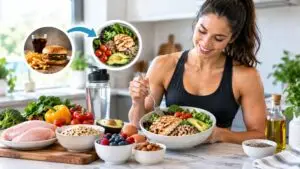
Losing body fat works best when your food choices help you stay in a realistic calorie deficit while still giving your body enough protein, fiber, vitamins, minerals, and energy. A good diet to lose body fat is not a crash plan; it is a repeatable way of eating built around satisfying meals, simple portions, and foods you can keep eating long term. This guide explains what to eat, how to build meals, and how to choose a fat loss diet that fits real life.
What should I eat to lose body fat?
To lose body fat, eat mostly lean proteins, high-fiber carbohydrates, vegetables, fruits, healthy fats, and minimally processed foods while reducing high-calorie extras that do not keep you full. The CDC describes healthy weight loss as a lifestyle pattern that includes healthy eating, regular physical activity, sleep, and stress management—not food restriction alone.
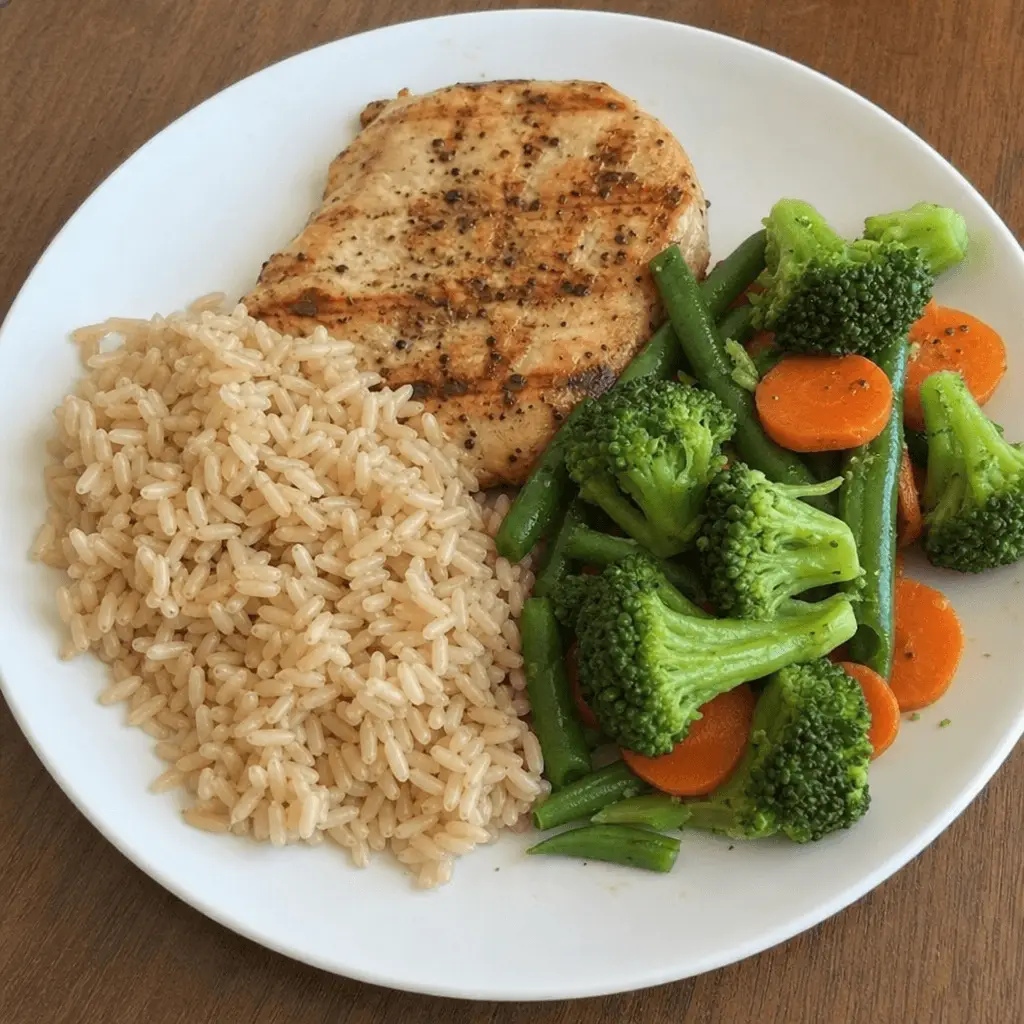
A practical plate is simple: fill half with vegetables or fruit, one quarter with protein, and one quarter with a high-fiber carbohydrate. Add a small amount of healthy fat for flavor and fullness. This approach makes healthy eating easier because you are not memorizing complicated rules at every meal.
The foundation of a sustainable fat loss diet
A fat loss diet should create steady progress without making you feel trapped. The Dietary Guidelines for Americans emphasize nutrient-dense foods such as vegetables, fruits, whole grains, seafood, eggs, beans, lentils, nuts, seeds, low-fat dairy, and lean meats prepared with limited added sugar, saturated fat, and sodium.
That does not mean every meal has to be perfect. It means your usual pattern matters most. If most meals are balanced, you can still include favorite foods in planned portions and avoid the all-or-nothing mindset that often leads to overeating later.
A strong lose body fat diet includes:
Protein at most meals: chicken, turkey, fish, eggs, Greek yogurt, tofu, tempeh, lentils, beans, cottage cheese, or lean meat.
Fiber-rich carbohydrates: oats, potatoes, brown rice, quinoa, beans, berries, apples, and whole-grain bread or pasta.
Plenty of produce: leafy greens, broccoli, peppers, carrots, mushrooms, zucchini, fruit, and salad vegetables.
Healthy fats: avocado, olive oil, nuts, seeds, nut butter, and fatty fish in sensible portions.
Hydrating drinks: water, sparkling water, unsweetened tea, or coffee without heavy add-ins.
Foods that make fat loss easier
No food magically melts fat, but some foods make it easier to eat fewer calories because they are filling, nutrient-dense, or naturally lower in calories. When people talk about fat burning foods, the most useful interpretation is foods that support fullness, stable energy, and better meal quality.
Protein is especially helpful because it supports muscle maintenance during weight loss and helps meals feel satisfying. Fiber matters too. Harvard Health notes that eating patterns associated with weight control often emphasize plant foods, healthy fats, lean proteins, fiber-rich foods, and fewer simple sugars.
Try building your meals around these options:
Food group | Good choices | Why it helps |
|---|---|---|
Lean protein | Chicken breast, fish, eggs, tofu, Greek yogurt, lentils | Helps meals feel satisfying and supports muscle |
High-fiber carbs | Oats, beans, potatoes, berries, quinoa | Adds fullness and steady energy |
Low-calorie volume foods | Leafy greens, cucumbers, broccoli, soups, peppers | Lets you eat more food for fewer calories |
Healthy fats | Olive oil, avocado, nuts, seeds | Adds flavor and helps meals feel complete |
Smart snacks | Fruit with yogurt, cottage cheese, boiled eggs, hummus with vegetables | Reduces random grazing between meals |
The key is portion awareness. Nuts, oils, avocado, and nut butter can fit a diet plan to lose body fat, but they are calorie-dense, so small servings work better than unlimited portions.
How do I build a diet plan to lose body fat?
Build a diet plan to lose body fat by choosing three to four repeatable meals, setting consistent protein portions, adding vegetables, and planning snacks before hunger becomes urgent. The best diet to lose body fat is the one you can follow consistently while still enjoying your life.
Start with your current eating habits rather than copying a plan made for someone else. Keep a short food and drink log for a few days, not to judge yourself, but to see patterns. The CDC suggests tracking food, beverages, activity, feelings, and lifestyle challenges as part of preparing for weight loss.
Use this simple framework:
Pick your protein first. Aim to include a palm-sized portion at meals, adjusting for your body size, hunger, and activity level.
Add vegetables or fruit. Choose at least one colorful produce item at each meal.
Choose a smart carb. Include oats, rice, potatoes, beans, fruit, or whole grains based on your energy needs.
Add measured fat. Use a thumb-sized portion of oil, nuts, seeds, avocado, or dressing.
Plan one or two snacks. Choose snacks with protein or fiber instead of relying on sweets or chips when you are already very hungry.
A sample day could look like Greek yogurt with berries and oats for breakfast, a chicken or tofu grain bowl for lunch, fruit and cottage cheese for a snack, and salmon or beans with potatoes and vegetables for dinner. This is not a strict prescription; it is a template you can adjust.
A female-friendly approach to losing body fat
If you searched for a lose body fat diet plan female readers can actually use, focus on nourishment, strength, and consistency rather than extreme restriction. Women may face appetite changes, menstrual-cycle shifts, busy caregiving schedules, and social pressure around dieting, so flexibility matters.
A healthy plan should not push you to skip meals, cut out entire food groups without a reason, or ignore fatigue. Instead, prioritize protein, iron-rich foods, calcium or dairy alternatives, high-fiber carbohydrates, and healthy fats. If you are pregnant, breastfeeding, managing a medical condition, recovering from an eating disorder, or taking medication, speak with a qualified health professional before starting a weight-loss plan.
Common mistakes that slow progress
Most fat loss problems come from inconsistent habits, not a lack of willpower. People often eat “healthy” foods but overlook portions, liquid calories, weekend grazing, or frequent bites and tastes while cooking.
Watch for these common issues:
Drinking calories often: sweet coffees, alcohol, juices, and smoothies can add up quickly.
Under-eating all day: this can lead to intense hunger and overeating at night.
Skipping protein: low-protein meals often leave you hungry soon after eating.
Relying on supplements: NCCIH warns that many weight-loss supplements, including “fat burners,” have not been tested for safety, and “natural” does not always mean safe.
Changing everything at once: a plan that feels punishing is usually hard to maintain.
Choose one or two changes first. For example, add protein to breakfast and replace sugary drinks with lower-calorie options. Once those feel normal, build the next habit.
Why choose us
Choose this approach because it is practical, balanced, and built around real food instead of quick fixes. It helps you create a diet to lose body fat without depending on extreme rules, expensive products, or unrealistic meal prep.
The benefit is flexibility. You can use these principles whether you prefer home-cooked meals, simple grocery staples, restaurant meals, vegetarian options, or a higher-protein eating style. Instead of chasing the latest lose body fat diet trend, you learn how to build meals that support fullness, energy, and consistency.
FAQ
What is the best diet to lose body fat?
The best diet to lose body fat is a balanced, calorie-aware eating pattern you can follow consistently. It should include protein, fiber-rich carbohydrates, vegetables, fruits, and healthy fats while limiting frequent high-calorie extras.
Are fat burning foods real?
Not in the dramatic way they are often marketed. Some foods support fat loss because they are filling and nutrient-dense, but body fat decreases when your overall habits create a sustainable calorie deficit.
Can I eat carbs and still lose body fat?
Yes. Carbs such as oats, potatoes, fruit, beans, and whole grains can fit well in a fat loss diet, especially when portions match your activity level and meals include protein and vegetables.
How fast should I expect results?
Progress varies by body size, activity, sleep, stress, hormones, and consistency. Instead of chasing rapid weight loss, look for steady changes in measurements, energy, strength, hunger control, and how your clothes fit.
Do I need a separate meal plan for women?
Not always. The same basic principles apply, but women may need to consider menstrual cycles, iron, calcium, energy levels, pregnancy, breastfeeding, or medical history when choosing a plan.
Ready to Stop Dieting and Start Burning Fat?
Losing body fat doesn’t mean starving yourself, skipping meals, or living on restrictive fad diets. Sustainable fat loss is built on a foundation of smart nutrition—focusing on high-quality protein to protect lean muscle, fiber-dense foods to keep you full, and a manageable calorie deficit that fits your real life. Stop playing the guessing game with conflicting diet advice that leaves you hungry and frustrated. Contact us today to speak with our certified nutrition specialists, and let’s create a personalized fat-loss eating plan built around your unique preferences, goals, and daily routine.