Starting a fitness journey often comes with many questions. You may already be thinking about which exercises to do, how often to work out, and what changes you should make to your diet. One common question is: Do beginners need a meal plan?
The short answer is no. You don’t need a strict meal plan to become healthier, lose weight, or build strength. However, having a basic nutrition routine can make it easier to develop healthy habits, manage your portions, and give your body the energy it needs.
For beginners in Falls Church, VA, the best approach is to start with simple, realistic changes. Instead of following a complicated diet, focus on eating balanced meals, choosing nutritious foods, and building habits you can maintain over time.
Do Beginners Really Need a Meal Plan?
A meal plan isn’t essential for beginners, but it can be a useful guide. It helps you understand what to eat throughout the day and makes it easier to avoid skipping meals or relying too often on convenience foods.
For example, someone who wants to lose weight may benefit from planning meals that include lean protein, vegetables, whole grains, and healthy fats. Someone who wants to build muscle may need to pay closer attention to protein intake and overall calorie consumption.
However, beginners don’t need to calculate every calorie or weigh every ingredient. Learning basic nutrition principles is often a better starting point.
Your eating habits should support your goals without making everyday life unnecessarily difficult.
Benefits of Having a Simple Meal Plan
Although you can make progress without following a structured diet, planning your meals offers several advantages.
1. Helps You Make Healthier Food Choices
When you plan meals ahead of time, you can make more thoughtful food choices instead of deciding what to eat when you’re already hungry.
You can prepare simple meals using ingredients such as chicken, eggs, fish, vegetables, fruit, rice, oats, and beans. These foods provide nutrients that support energy, muscle function, and overall health.
2. Makes Portion Control Easier
Understanding portion sizes can help you manage your calorie intake without following restrictive diets.
A simple way to build a balanced plate is to include:
Protein, such as chicken, fish, eggs, tofu, or beans.
Vegetables or fruit for fiber, vitamins, and minerals.
Carbohydrates, such as rice, potatoes, oats, or whole grains.
Healthy fats from foods like avocado, nuts, seeds, or olive oil.
You can adjust the portions depending on your hunger, activity level, and fitness goals.
3. Supports Workout Performance and Recovery
Your body needs enough energy and nutrients to perform physical activities and recover afterward.
Protein helps repair and maintain muscle tissue, while carbohydrates provide energy for exercise. Healthy fats also support normal body functions.
If you’re starting a strength training routine, eating balanced meals can help you feel more prepared for workouts and support recovery.
You can also read our guide on the best workout for beginners to understand how to combine exercise with healthy lifestyle habits.
4. Saves Time and Reduces Food Stress
Planning a few meals in advance can make grocery shopping and cooking easier, especially if you have a busy work or family schedule.
You don’t have to prepare every meal for the entire week. Even deciding what you’ll have for breakfast and lunch the next day can help you stay organized.
What Should Beginners Eat?
There is no single food list that works for everyone. Your nutritional needs depend on your age, body size, activity level, health, and personal goals.
However, most beginners can benefit from including a variety of foods from these groups.
Protein-Rich Foods
Protein supports muscle maintenance and repair. Good options include:
Chicken and turkey
Fish and seafood
Eggs
Greek yogurt
Beans and lentils
Tofu and other soy products
Try including a protein source in your main meals, particularly if you’re doing regular strength training.
Fruits and Vegetables
Fruits and vegetables provide fiber, vitamins, minerals, and other beneficial nutrients.
Choose different colors and varieties throughout the week. Apples, berries, bananas, broccoli, spinach, carrots, and peppers are all practical options.
Whole Grains and Other Carbohydrates
Carbohydrates are an important energy source, especially when you’re physically active.
Consider adding oats, brown rice, whole-grain bread, potatoes, quinoa, and other carbohydrate sources to your meals. You don’t need to eliminate carbohydrates to lose weight or improve your fitness.
Healthy Fats
Include moderate portions of foods such as avocado, olive oil, nuts, seeds, and fatty fish.
These foods provide essential fats and help make meals more satisfying.
Sample One-Day Meal Plan for Beginners
If you’re unsure where to start, here’s an example of a simple day of balanced eating.
| Meal | Example |
|---|---|
| Breakfast | Scrambled eggs, whole-grain toast, and a banana |
| Morning snack | Greek yogurt and berries |
| Lunch | Grilled chicken, rice, and mixed vegetables |
| Afternoon snack | Apple and a small handful of nuts |
| Dinner | Baked fish, roasted potatoes, and broccoli |
This is only an example, not a personalized prescription. You can substitute ingredients based on your preferences, budget, dietary requirements, and nutritional needs.
The goal is to create meals that are convenient, satisfying, and suitable for your lifestyle.
Should Beginners Follow a Meal Plan for Weight Loss?
If your goal is to lose weight, a meal plan can help you become more aware of your eating habits and maintain a consistent calorie intake.
However, weight loss doesn’t require cutting out entire food groups, skipping meals, or following an extremely low-calorie diet. A sustainable approach usually involves eating appropriate portions, choosing filling foods, staying physically active, and getting enough sleep.
For more specific guidance, read our article on what you should eat to lose body fat. It explains how protein, fiber-rich carbohydrates, vegetables, and healthy fats can fit into a balanced eating routine.
Remember that weight loss results vary from person to person. Focus on gradual progress rather than trying to change everything at once.
Common Meal Planning Mistakes Beginners Should Avoid
When you’re new to healthy eating, it’s easy to become overwhelmed by conflicting nutrition advice. Avoid these common mistakes:
Being too restrictive: Removing all your favorite foods can make a diet difficult to maintain.
Skipping meals: Regularly skipping meals may leave you excessively hungry later in the day.
Ignoring protein: Meals without enough protein may be less satisfying and may not adequately support muscle maintenance.
Following someone else’s meal plan: Another person’s calorie and nutrient needs may be very different from yours.
Expecting immediate results: Healthy eating habits take time to develop, and progress won’t always be visible right away.
Instead of trying to follow a perfect diet, work on making small improvements that fit your daily routine.
How to Start Eating Healthier Without a Strict Meal Plan
You can improve your nutrition without preparing a detailed schedule for every meal. Start with these practical steps:
Eat balanced meals: Include protein, carbohydrates, vegetables or fruit, and healthy fats.
Prepare simple foods: Keep convenient ingredients available so you can prepare meals without spending too much time cooking.
Drink enough water: Stay hydrated throughout the day, especially when exercising.
Pay attention to hunger: Learn to recognize when you’re hungry and when you’ve had enough.
Build consistency: Focus on your overall eating habits rather than worrying about one meal or snack.
If you exercise regularly, make sure your food intake provides enough energy to support your training and recovery. If you have a medical condition, specific dietary needs, or a history of disordered eating, consult a qualified healthcare professional or registered dietitian before making major dietary changes.
Build Healthy Eating Habits That Fit Your Lifestyle
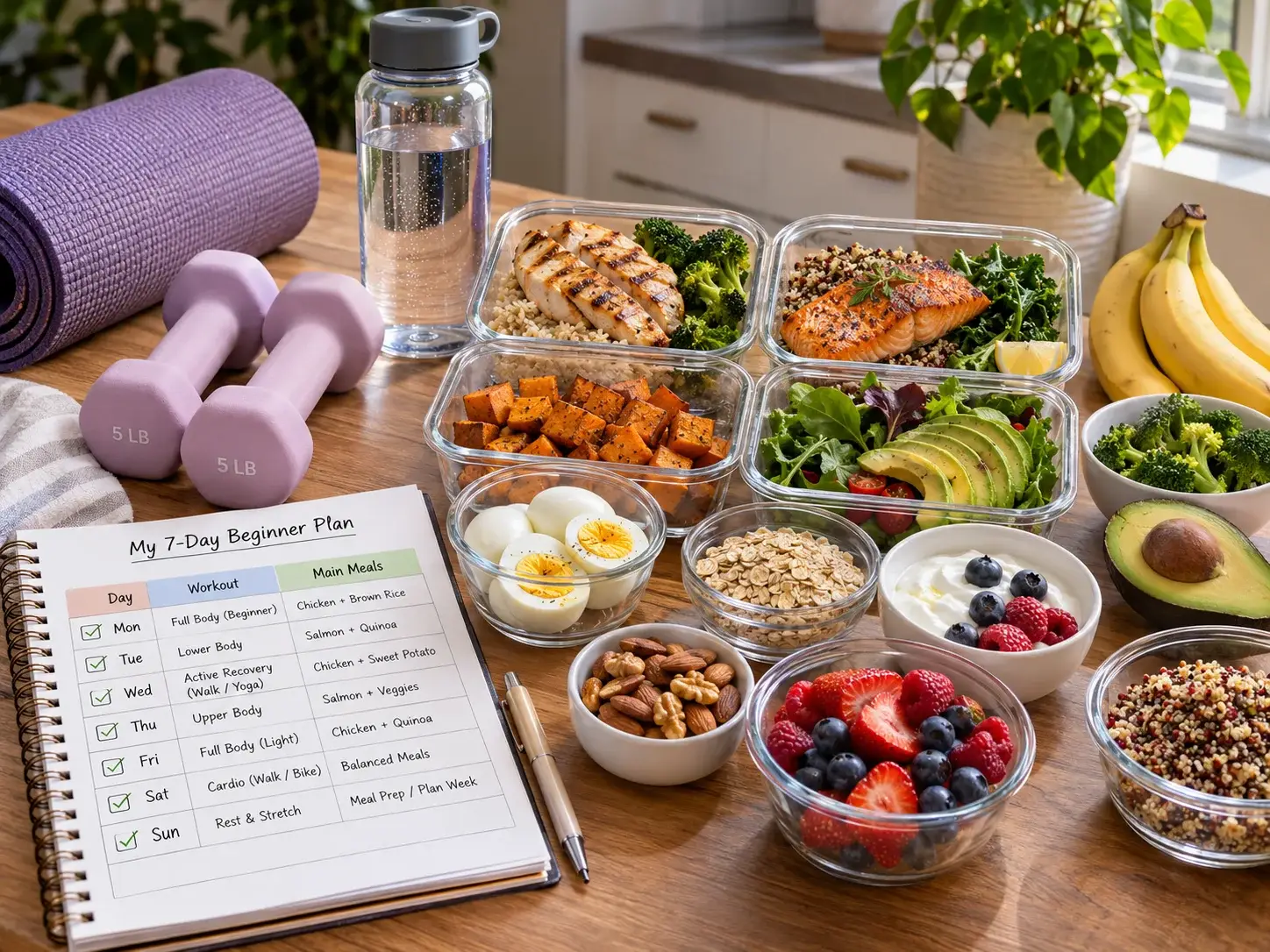
So, do beginners need a meal plan? No, but having a simple nutrition routine can make starting a fitness journey easier. You don’t need expensive ingredients, complicated recipes, or strict food rules to make meaningful improvements.
Start by choosing balanced meals, eating enough protein, including fruits and vegetables, and finding an approach that works with your schedule.
At Falls Church Personal Training, we understand that improving your fitness involves more than exercise alone. Combining a suitable workout routine with practical nutrition habits can help you work toward better strength, energy, and overall health.
If you’re ready to get started, contact Falls Church Personal Training to learn how personalized fitness guidance can help you build a routine that fits your goals and everyday life.
Frequently Asked Questions
Is a meal plan necessary for beginners?
No. Beginners can improve their health and fitness by following balanced eating habits without a strict meal plan. Planning meals can still help with organization, portion awareness, and consistency.
What is the easiest meal plan for someone new to fitness?
Start with simple meals containing protein, vegetables or fruit, carbohydrates, and healthy fats. Choose familiar foods that are easy to prepare and fit your budget.
Should beginners count calories?
Not necessarily. Calorie tracking can help some people understand their food intake, but it's not required. Beginners can start by improving food quality, managing portions, and developing consistent eating habits.
How many meals should a beginner eat each day?
There is no fixed number of meals that everyone needs. Some people prefer three main meals, while others feel better with smaller meals and snacks. Choose a schedule that supports your hunger, energy, and daily routine.
What should I eat before and after a workout?
Before exercise, choose a meal or snack containing carbohydrates and some protein, depending on how much time you have before training. After exercise, eat a balanced meal with protein and carbohydrates to support recovery. Your overall daily nutrition matters more than a precise post-workout timing rule.
Ready to build healthier habits and reach your fitness goals?
Contact Falls Church Personal Training today to get personalized workout guidance and nutrition support that fits your lifestyle. Take the first step toward a stronger, healthier you.