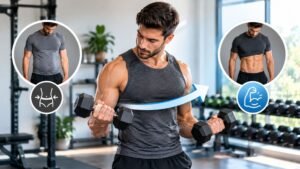
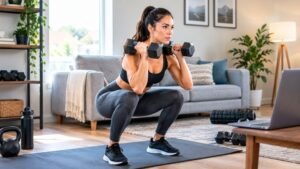
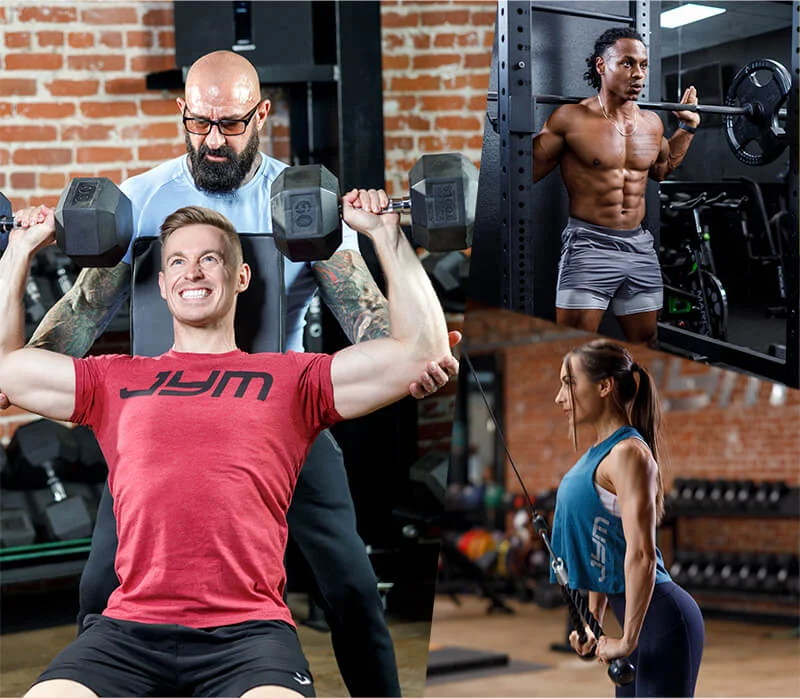
Virtual personal training can be worth it if you want expert guidance, flexible scheduling, and accountability without commuting to a gym. It works especially well for people who need a realistic plan, feedback on form, and support that fits around work, family, travel, or a home-based routine. The value depends on your goals, your coach, and how consistently you use the structure you are given.
Is virtual personal training worth it?
Yes, virtual personal training is worth it for many people because it combines the personalization of one-on-one coaching with the convenience of fitness training online. Instead of guessing which workouts to do, you get a plan that matches your current fitness level, equipment, schedule, and goals. For someone who struggles to stay consistent, needs modifications, or wants coaching without being tied to a local gym, it can be a practical and sustainable option.
The key is understanding what you are paying for. A good online personal coach is not just sending random workouts. They are helping you train with purpose, adjust when life gets busy, build better habits, and avoid the common cycle of starting over every few weeks.
Virtual training is not the perfect fit for everyone. If you need hands-on physical spotting, highly specialized in-person rehabilitation, or the energy of a busy studio, an in-person option may be better. But if you want guidance, convenience, and accountability in a format that travels with you, virtual personal training can offer strong value.
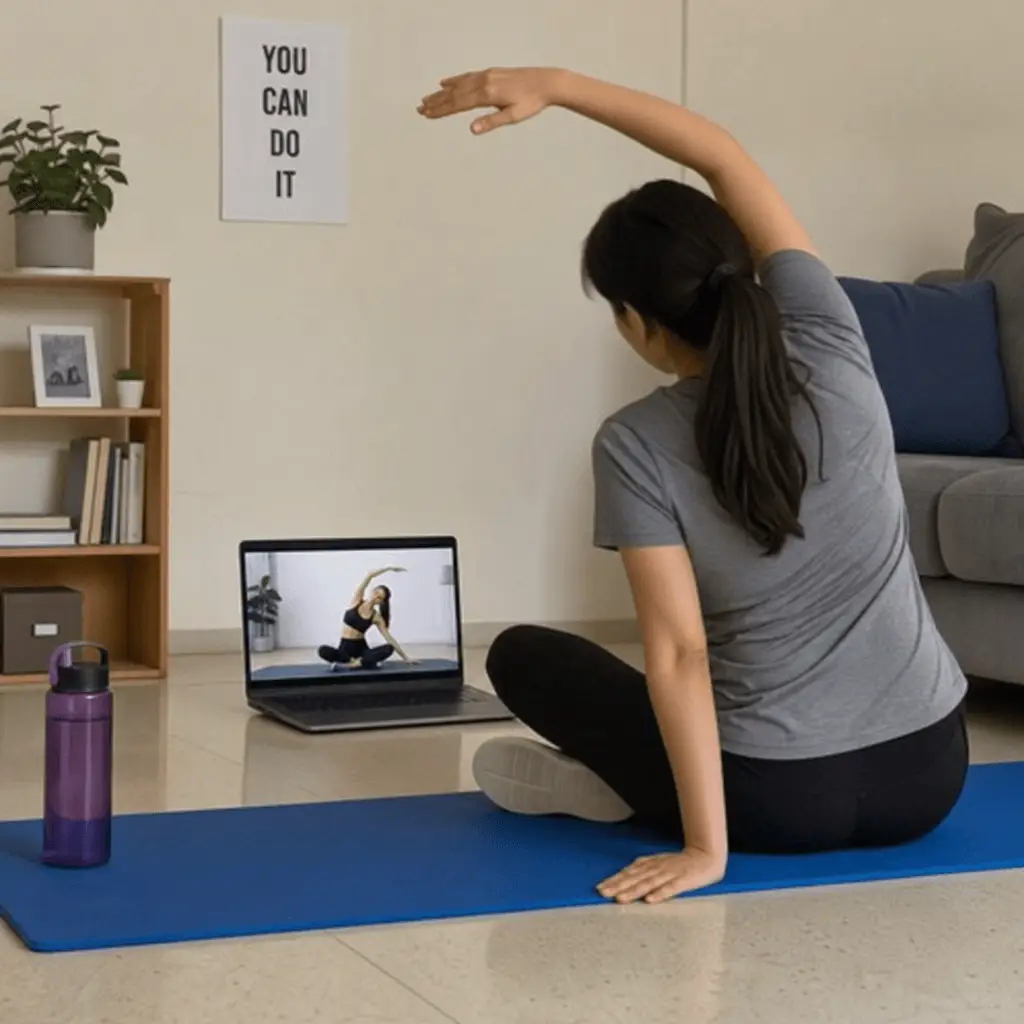
What virtual personal training usually includes
Virtual personal training can look different depending on the coach or program, but most services are built around a few core elements. The best programs start with a clear intake process so your coach understands your goals, limitations, schedule, training history, and available equipment.
From there, your coach may create weekly workouts, demonstrate exercises through video, review your progress, and adjust the plan as needed. Some programs include live video sessions, while others use app-based check-ins, recorded workout demos, messaging, or a mix of all three.
Common features include:
Personalized workouts: Sessions based on your goals, ability, equipment, and available time.
Live coaching or check-ins: Real-time or scheduled support to help you stay accountable.
Exercise demonstrations: Video guidance so you know how each movement should look and feel.
Progress tracking: Updates based on strength, endurance, mobility, weight changes, measurements, or consistency.
Habit support: Guidance around routines, recovery, sleep, steps, nutrition basics, or mindset.
Program adjustments: Modifications when exercises feel too easy, too hard, painful, or unrealistic.
This is where online fitness coaching can be more effective than a generic workout plan. A downloadable plan cannot notice that your schedule changed, your knee feels irritated, or your motivation dropped. A coach can help you adapt before you quit.
How does it compare with in-person training?
Virtual personal training is typically more flexible than in-person training, while in-person coaching offers more direct physical observation and immediate hands-on support. The better choice depends on whether convenience, accountability, form feedback, cost, equipment access, or face-to-face interaction matters most to you.
With in-person training, you meet at a gym or studio at a set time. That can be motivating because the appointment is fixed and the environment is built for exercise. Your trainer can watch your form from multiple angles, help you use machines, and respond quickly if you need a correction.
With virtual personal training, the experience is more adaptable. You can train at home, in a hotel gym, outdoors, or in your apartment building’s fitness room. You may not need to drive anywhere, arrange childcare, or build your entire day around a gym appointment. For many people, that reduced friction is the reason they finally become consistent.
Here is a simple comparison:
Factor | Virtual personal training | In-person training |
|---|---|---|
Convenience | High; train from almost anywhere | Depends on location and commute |
Equipment | Can be built around what you have | Often uses full gym equipment |
Form feedback | Live video, recorded video, or app review | Immediate in-person observation |
Accountability | Check-ins, messages, live sessions, progress tracking | Scheduled appointments and trainer presence |
Flexibility | Usually easier to fit around changing schedules | Often requires fixed time slots |
Best for | Busy people, home workouts, travelers, habit building | People who want hands-on support or gym-based training |
Neither format is automatically better. The best program is the one you can follow safely, consistently, and confidently.
The biggest benefits of training online
The strongest benefit of virtual training is that it removes many of the obstacles that keep people from exercising regularly. You do not need to wait for the perfect gym, the perfect schedule, or the perfect confidence level. You can start with the space, time, and equipment you already have.
Flexibility that fits real life
A major reason people choose fitness training online is flexibility. If your work hours change, your child gets sick, or you travel often, a traditional gym schedule can fall apart quickly. Virtual coaching can be designed around those changes instead of treating them like failures.
This flexibility also helps beginners. Walking into a gym without a plan can feel intimidating. Training at home with clear instructions can make the first steps feel more manageable.
Accountability without pressure
Accountability does not have to mean someone yelling at you through a screen. Good online fitness coaching creates a supportive structure: you know what to do, when to do it, and when someone will check in. That small layer of responsibility can be enough to keep you from skipping every session when motivation dips.
A coach can also help you interpret your progress more realistically. Not every week will bring dramatic results. Sometimes the win is showing up twice during a stressful week, improving your form, sleeping better, or building enough confidence to increase resistance.
Personalization beyond generic workouts
Virtual fitness classes can be fun and motivating, but they are usually designed for a group. That means the workout may not match your exact ability, injury history, equipment, or goal. Virtual personal training is more individualized.
For example, two people may both want to “get stronger,” but one has dumbbells at home and only 30 minutes, while the other has a full gym and wants to improve barbell technique. A personal coach can build different plans for each person instead of forcing both into the same format.
Possible drawbacks to consider
Virtual personal training is convenient, but it is not magic. You still need to show up, communicate honestly, and follow the plan often enough for it to work. If you are expecting results without effort, no coaching format will solve that.
One limitation is form feedback. Live video and recorded videos can be very helpful, but camera angles, lighting, space, and internet quality can affect what your coach sees. You may need to record movements from different angles or describe what you feel during an exercise.
Another drawback is equipment access. Many effective workouts can be done with body weight, bands, or dumbbells, but certain goals may require more equipment over time. A good coach should tell you what is necessary, what is optional, and how to progress with what you have.
Finally, some people simply prefer the atmosphere of a gym or group class. If you get energy from being around others, a hybrid approach may work well: virtual personal training for your plan and virtual fitness classes or in-person classes for variety.
Who gets the most value from an online personal coach?
The people who benefit most are usually those who want structure but need flexibility. They may have tried apps, random workouts, or occasional classes and realized they need more guidance to stay consistent.
Virtual personal training may be a strong fit if you:
Have a busy or unpredictable schedule. You need workouts that can shift with your week.
Prefer training at home. You want privacy, convenience, or a shorter routine.
Need help choosing the right exercises. You are tired of guessing what to do next.
Want accountability. You do better when someone checks in and tracks progress.
Travel often. You need workouts that can adapt to hotel gyms or limited equipment.
Feel intimidated at the gym. You want confidence before training in public spaces.
Have clear goals. You want strength, fat loss, endurance, mobility, or general fitness support.
It may not be ideal if you strongly dislike technology, refuse to communicate with your coach, or need close physical supervision for safety. In those cases, in-person support may be more appropriate.
How to choose the right virtual personal training program
Choosing the right program matters as much as choosing the format. A polished website or a big social media following does not automatically mean the coaching experience will be right for you. Look for clarity, communication, and a process that feels personal rather than generic.
Before signing up, ask practical questions:
How will the coach assess my goals and fitness level? A quality program should begin with more than a quick form.
Will my workouts be customized? Make sure the plan is built around your schedule, equipment, and needs.
How often will we communicate? Know whether support happens through live sessions, messages, app check-ins, or email.
How is progress measured? Your coach should track more than just body weight.
What happens if something hurts or feels wrong? There should be a clear process for modifications.
Can the program change when life gets busy? Flexibility is one of the main reasons to train online.
Pay attention to how you feel during the first conversation. You should feel heard, not rushed. A coach who asks thoughtful questions is more likely to build a plan you can actually follow.
Virtual training, virtual classes, and workout apps are different
It is easy to group every digital fitness option together, but they serve different purposes. Understanding the difference can help you spend your time and money wisely.
Virtual fitness classes are usually group-based workouts delivered live or on demand. They can be great for energy, variety, and convenience, especially if you enjoy following an instructor. However, they may not provide individual feedback or long-term progression.
Workout apps often offer exercise libraries, tracking tools, or pre-built plans. They are useful if you are self-motivated and already understand proper form. The downside is that many apps cannot fully adapt to your life, preferences, or setbacks.
Online personal coaching is more relationship-based. Your coach learns what you need, builds a plan, checks your progress, and makes changes along the way. If you have felt stuck with classes or apps, this added support may be what makes the difference.
Why choose us
If you are considering virtual personal training with us, the goal is simple: make fitness feel clear, realistic, and sustainable. We focus on practical coaching that fits your life rather than forcing you into a plan that only works under perfect conditions.
You can expect an approach centered on personalization, communication, and steady progress. That means workouts matched to your current ability, guidance on how to perform movements, and adjustments when your schedule, energy, or equipment changes. Instead of leaving you to figure everything out alone, we help you understand what to do and why it matters.
We also recognize that consistency looks different for everyone. Some people need three focused workouts per week. Others need shorter sessions, habit support, or a plan that builds confidence first. The right coaching relationship should help you move forward without making fitness feel like another source of stress.
Frequently Asked Questions
Is virtual personal training good for beginners?
Yes. Beginners often benefit because they receive structure, exercise guidance, and support before bad habits become routine. A good coach can start with simple movements, explain proper technique, and progress gradually.
Do I need a full home gym?
Not necessarily. Many programs can start with body weight, resistance bands, dumbbells, or basic household space. If more equipment would help later, your coach can recommend options based on your goals rather than asking you to buy everything at once.
Can an online personal coach correct my form?
Yes, depending on the coaching format. Form checks may happen during live video sessions or through recorded videos you send for review. Clear camera angles and honest feedback help make this process more effective.
Are virtual fitness classes enough on their own?
They can be enough if your main goal is to move more, enjoy exercise, and stay generally active. If you want a customized plan, targeted progress, or individual modifications, virtual personal training may be a better fit.
How soon will I see results?
Results depend on your starting point, goals, consistency, nutrition, recovery, and program design. Many people notice early changes in energy, confidence, and routine before visible physical changes become obvious.
Get Expert Fitness Coaching Anytime, Anywhere—On Your Terms
Virtual personal training gives you all the accountability, customized programming, and expert form correction of traditional in-person coaching with maximum flexibility and convenience. You get dedicated, one-on-one guidance designed around your schedule, your equipment, and your personal goals—without the hassle of a gym commute. If you’re ready to see if online coaching is the right fit for your lifestyle, we’re here to help you get started. Contact us today to schedule a free virtual consultation and discover how remote personal training can fast-track your results.