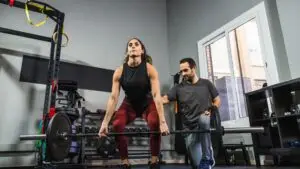
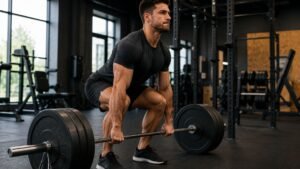
If you’re wondering, How long does it take to build muscle?, you’re not alone. Many people begin strength training expecting quick results, only to become discouraged when visible changes don’t happen overnight. The good news is that muscle growth is achievable with consistency, proper nutrition, and a well-designed training program. Understanding what to expect can help you stay motivated and focused on long-term success.
What Does It Mean to Build Muscle?
Building muscle, also called muscle hypertrophy, is the process of increasing muscle size and strength through resistance training, proper nutrition, and recovery.
When you perform strength-training exercises, your muscle fibers experience small amounts of stress. During recovery, your body repairs these fibers, making them stronger and larger over time.
Muscle growth depends on:
- Progressive strength training
- Adequate protein intake
- Sufficient calories
- Proper sleep
- Consistency
How Long Does It Take to Build Muscle?
How long does it take to build muscle? Most people begin noticing strength improvements within 2 to 4 weeks, while visible muscle growth typically appears after 8 to 12 weeks of consistent strength training and proper nutrition.
The exact timeline depends on several factors, including:
- Age
- Genetics
- Training experience
- Workout intensity
- Nutrition
- Recovery habits
Although everyone progresses differently, staying consistent is the biggest factor in achieving lasting results.
Factors That Affect Muscle Growth
1. Training Consistency
Consistency is more important than perfection.
Training three to five times each week allows your muscles to receive enough stimulus to grow while giving them time to recover.
Missing occasional workouts won’t ruin your progress, but following a structured routine consistently will produce better long-term results.
2. Progressive Overload
Your muscles need a reason to grow.
Progressive overload means gradually increasing:
- Weight
- Repetitions
- Sets
- Training volume
Without progressively challenging your muscles, growth eventually slows.
3. Nutrition
Exercise alone cannot maximize muscle growth.
To support muscle development, focus on:
- Lean protein
- Whole grains
- Fruits
- Vegetables
- Healthy fats
Protein is especially important because it supplies the amino acids your muscles need for repair.
Many active adults aiming to build muscle benefit from consuming approximately 0.7–1 gram of protein per pound of body weight daily.
4. Recovery
Muscles grow while you recover—not while you’re lifting weights.
Recovery includes:
- 7–9 hours of sleep
- Rest days
- Proper hydration
- Stress management
Skipping recovery often slows progress.
What Results Can You Expect?
Weeks 1–4
During the first month, you’ll likely notice:
- Increased strength
- Improved coordination
- Better exercise technique
- Higher energy levels
Visible muscle growth may still be minimal.
Weeks 4–8
As consistency improves, many people begin noticing:
- Slight increases in muscle definition
- Improved endurance
- Better workout performance
- Clothes fitting differently
Weeks 8–12
By this point, consistent training often produces noticeable changes such as:
- Increased muscle size
- Greater overall strength
- Reduced body fat (if nutrition supports fat loss)
- Improved posture
- Higher confidence
Beyond 3 Months
Long-term consistency leads to:
- Significant strength gains
- Lean muscle development
- Better athletic performance
- Improved metabolism
- Sustainable fitness habits
Building muscle is a long-term investment in your health.
Sample Weekly Muscle-Building Routine
Monday
Upper Body Strength
- Bench Press
- Rows
- Shoulder Press
- Triceps Exercises
Tuesday
Lower Body Strength
- Squats
- Romanian Deadlifts
- Lunges
- Calf Raises
Wednesday
Active Recovery
- Walking
- Stretching
- Mobility work
Thursday
Upper Body Strength
Repeat with progressive overload where appropriate.
Friday
Lower Body Strength
Focus on proper technique and controlled movements.
Saturday
Optional Full-Body Workout or Light Cardio
Sunday
Complete Rest
Tips to Build Muscle Faster
Prioritize Compound Exercises
Focus on movements like:
- Squats
- Deadlifts
- Pull-Ups
- Bench Press
- Overhead Press
These exercises stimulate multiple muscle groups at once.
Eat Enough Calories
Building muscle generally requires consuming enough calories to support growth.
Avoid severely restricting calories if your goal is muscle gain.
Track Your Progress
Monitor:
- Workout performance
- Strength gains
- Body measurements
- Progress photos
Tracking keeps you motivated and helps identify improvements.
Stay Patient
Many people give up too early.
Real muscle growth takes time, but consistent effort delivers lasting results.
Common Mistakes That Slow Muscle Growth
Avoid these common errors:
- Skipping workouts
- Poor exercise form
- Not eating enough protein
- Sleeping too little
- Frequently changing workout programs
- Ignoring recovery
Correcting these habits can improve your results significantly.
FAQ
How long does it take to build muscle for beginners?
Beginners often notice strength gains within two to four weeks and visible muscle growth after approximately eight to twelve weeks of consistent training.
Can I build muscle faster?
You can maximize muscle growth by following a structured strength training program, eating enough protein, getting quality sleep, and progressively increasing workout intensity.
How many days a week should I train?
Most people benefit from strength training three to five days per week, depending on their goals and recovery.
Does age affect muscle growth?
Yes. Younger adults may build muscle slightly faster, but adults of all ages can increase strength and muscle mass with proper training.
Do I need supplements to build muscle?
No. Whole foods, consistent strength training, and adequate recovery provide the foundation for muscle growth. Supplements are optional and should never replace a balanced diet.
How Long Does It Take to Build Muscle? Expert Guide Today Now
Building muscle is a gradual process that rewards consistency rather than quick fixes. While strength improvements often appear within a few weeks, noticeable muscle growth typically takes two to three months of regular resistance training, proper nutrition, and quality recovery. By staying committed to a structured program and making healthy lifestyle choices, you’ll build lean muscle, improve strength, and enjoy lasting fitness results that continue well beyond your first few months.
Build Muscle Faster with Personalized Coaching
Ready to stop guessing and start making measurable progress? At Falls Church Personal Training, we create customized strength training and muscle-building programs tailored to your fitness level, goals, and schedule. Our experienced coaches provide expert instruction, nutrition guidance, accountability, and ongoing support to help you build muscle safely and efficiently. Contact us today to begin your personalized fitness journey and achieve stronger, healthier results that last.