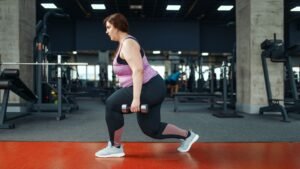
Starting a strength-training routine often brings an important question: how long does it take to get stronger? You might want to lift heavier weights, perform more push-ups, climb stairs more easily, or feel more capable during everyday activities. Whatever your goal, knowing what to expect can help you stay motivated while your body adapts.
The good news is that many beginners can notice improvements in strength within two to four weeks of consistent training. These early gains often come from better coordination, improved exercise technique, and your nervous system learning to recruit muscles more effectively. More substantial strength gains generally develop over several weeks and months as your body continues adapting.
Your timeline will depend on your starting fitness level, workout plan, nutrition, sleep, age, and consistency. Instead of expecting overnight results, focus on small improvements that build over time.
How Long Does It Take to Get Stronger?
Strength develops at different rates, but the following timeline can help you understand what you may experience when you begin a well-designed strength-training program.
Weeks 1–2: Learn the Movements
During the first couple of weeks, your main goal is to learn proper technique and become comfortable with your exercises. You may notice that movements feel smoother or that you can complete more repetitions without losing control.
These early changes are not necessarily the result of significant muscle growth. Your body is learning how to perform each movement more efficiently.
Focus on:
Practicing correct exercise form.
Starting with manageable weights or resistance.
Learning when to rest between sets.
Building a routine you can follow consistently.
Weeks 3–6: Notice Early Strength Improvements
After several weeks of regular training, many beginners find that exercises feel easier. You may be able to lift slightly heavier weights, complete additional repetitions, or perform movements with better control.
These improvements often reflect neurological adaptations as well as the beginning of changes in muscle capacity. Keep in mind that progress varies, and some people may need more time to notice measurable changes.
If you’re also interested in muscle development, read How Long Does It Take to Build Muscle?. Getting stronger and building larger muscles are related goals, but visible muscle growth may take longer to become noticeable.
Weeks 6–12: Build More Measurable Strength
With consistent workouts, you may begin to see clearer progress in the amount of weight you can lift, the number of repetitions you can perform, or your ability to complete challenging exercises.
This is a useful time to review your training log and compare your performance with your starting point. Progress might be gradual rather than dramatic, especially if you already have some training experience.
After Three Months: Keep Building on Your Progress
Strength development continues beyond the first few months. As your body adapts, you may need to adjust your workout plan, increase resistance gradually, or refine your technique to keep making progress.
There is no universal deadline for becoming stronger. The most useful measure is whether your performance is improving over time while your technique and recovery remain solid.
What Factors Affect How Quickly You Get Stronger?
Two people can follow similar workout routines and still progress at different rates. Several factors influence how quickly you gain strength.
1. Your Starting Fitness Level
Beginners often make noticeable early improvements because they are learning new movement patterns and adapting to resistance training. People who have trained for years may find that progress is slower because they are already closer to their current potential.
If you’re new to exercise, a simple routine is usually enough to get started. Our guide to the best workout for beginners explains how to approach exercise with a manageable plan that builds fitness gradually.
2. Training Consistency
One challenging workout cannot replace a regular training routine. Strength improves when you repeatedly practice exercises and give your body enough time to adapt.
For many adults, strength training two to four days per week is a practical schedule. Beginners can often start with two or three full-body sessions and adjust their routine as they become more comfortable.
Choose a schedule that fits your work, family responsibilities, and energy levels. A sustainable plan is more useful than a demanding routine you cannot maintain.
3. Progressive Overload
To keep getting stronger, your workouts need to become gradually more challenging as your ability improves. This principle is known as progressive overload.
You can apply it by:
Increasing the weight slightly when your current load becomes manageable.
Performing more repetitions with good form.
Adding a set when appropriate.
Improving your control and range of motion.
Progressing to a more challenging exercise variation.
You do not need to increase the weight during every session. Make changes gradually, and avoid sacrificing technique just to lift more.
For more guidance, explore the best strength training program. A structured routine can help you select exercises, track improvements, and adjust your training as your strength develops.
4. Nutrition and Hydration
Your body needs enough energy and nutrients to support training and recovery. Eat balanced meals that include protein sources, carbohydrates, healthy fats, fruits, and vegetables.
Protein helps repair and maintain muscle tissue, while carbohydrates provide energy for demanding workouts. Drink enough fluids throughout the day, especially when you sweat during exercise.
You do not necessarily need supplements to get stronger. Start with consistent training and a balanced eating pattern that supports your activity level.
5. Sleep and Recovery
Your muscles and nervous system need time to recover from training. Regularly sacrificing sleep or training hard without adequate recovery can affect your performance.
Most adults should aim for at least seven hours of sleep per night, with individual needs varying. Schedule rest days, avoid pushing every set to exhaustion, and adjust your workload if fatigue begins to accumulate.
What Exercises Help You Get Stronger?
An effective strength routine should train the major muscle groups and include movements that match your current ability. You do not need dozens of exercises to make progress.
Consider including these movement patterns:
Squat or lunge: Chair squats, goblet squats, or supported lunges.
Push: Wall push-ups, incline push-ups, or chest presses.
Pull: Resistance-band rows, dumbbell rows, or lat pulldowns.
Hip hinge: Glute bridges or Romanian deadlifts with an appropriate load.
Core stability: Planks, bird dogs, or dead bugs.
Start with variations you can perform comfortably and safely. A trainer can help you select suitable exercises, adjust resistance, and correct technique.
A Simple Three-Day Strength Schedule
For many beginners, a full-body routine performed three days a week is a useful starting point.
Monday – Full Body
Squats or chair squats
Push-ups or chest presses
Rows
Glute bridges
Core exercise
Wednesday – Full Body
Lunges or step-ups
Shoulder presses
Lat pulldowns or resistance-band rows
Hip hinges
Core exercise
Friday – Full Body
Squat variation
Chest press or push-up variation
Row variation
Glute or hamstring exercise
Optional arm exercises
Choose a manageable number of sets and repetitions based on your fitness level. Rest between sessions, and increase the challenge only when you can perform the exercises with good technique.
If you have an injury, ongoing pain, or a medical condition that affects exercise, seek appropriate professional guidance before starting or changing your routine.
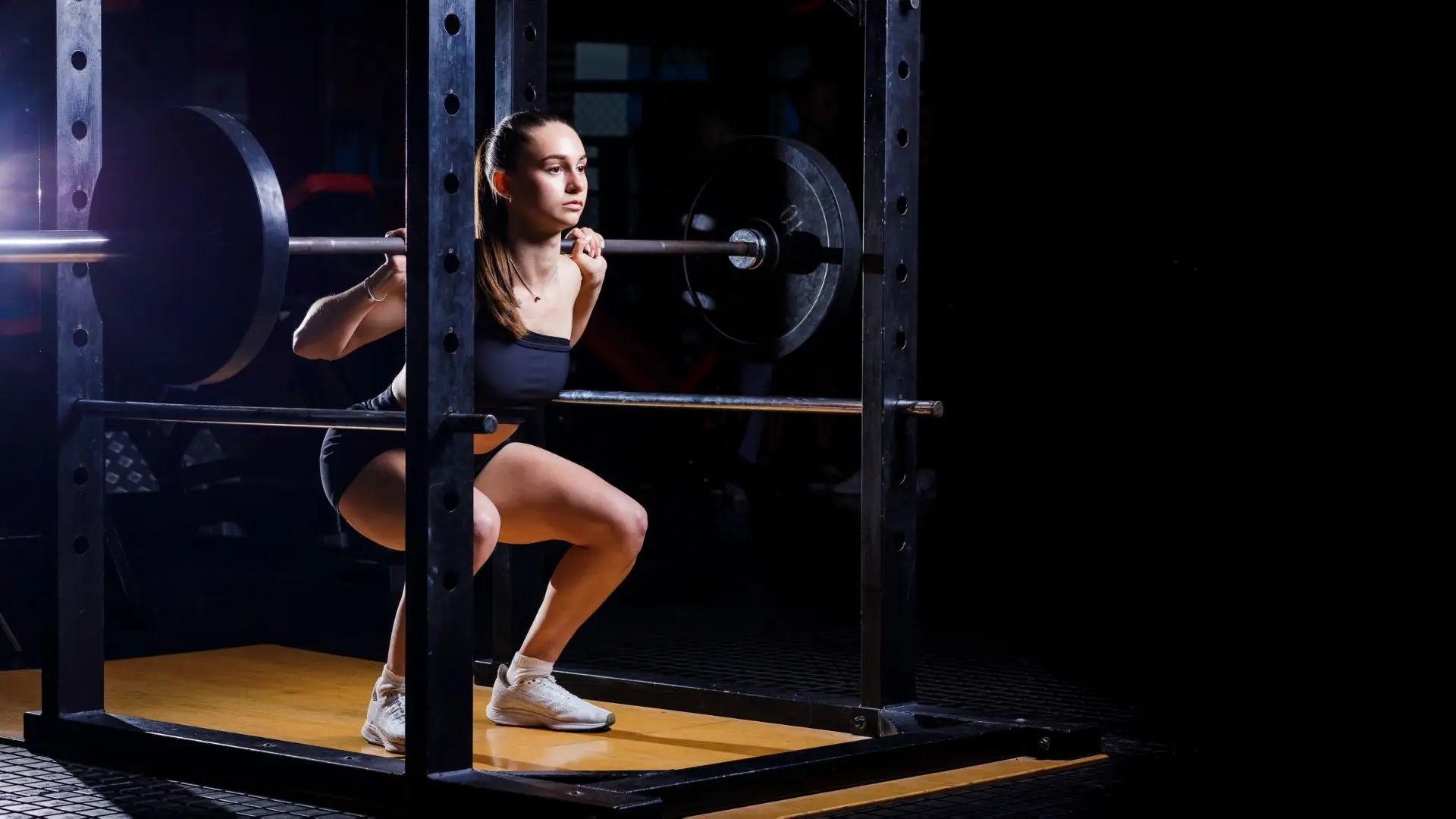
How Can You Tell If You're Getting Stronger?
The number on the weight stack is only one way to measure improvement. Other signs can help you see progress, particularly during the early stages of training.
Look for changes such as:
Lifting more weight with the same technique.
Completing more repetitions at the same resistance.
Performing exercises with better balance and control.
Recovering more comfortably between sets.
Finding everyday tasks, such as carrying groceries, easier.
Keep a simple workout log with the exercise, weight, sets, repetitions, and how the session felt. Reviewing this information every few weeks can reveal improvements that might otherwise go unnoticed.
Avoid comparing your progress too closely with someone else’s. Training history, genetics, age, and lifestyle all affect results. Your most meaningful comparison is with your own starting point.
Common Mistakes That Can Slow Strength Progress
Even a motivated person can struggle to improve if their routine lacks structure. Avoid these common mistakes:
Changing workouts too frequently. Repeating key exercises gives you a chance to develop technique and measure progress.
Lifting too heavy too soon. Choose resistance that challenges you while allowing controlled, safe movements.
Ignoring recovery. More training is not always better. Your routine should leave enough time to recover between demanding sessions.
Skipping workouts because they cannot be perfect. A shorter, well-planned session is often more useful than skipping exercise entirely.
Expecting immediate results. Strength gains are often gradual. Focus on consistent effort rather than judging success after a few workouts.
Frequently Asked Questions
Can I get stronger in two weeks?
You may notice early improvements in exercise technique, coordination, or repetitions within two weeks. Significant changes in strength take longer and vary by person.
How many days a week should I train to get stronger?
Many beginners can make progress with two or three strength-training sessions per week. More experienced people may benefit from additional sessions, depending on their goals and recovery.
Do I need to lift heavy weights to get stronger?
No. You can build strength with bodyweight exercises, resistance bands, dumbbells, or machines. Choose a suitable level of resistance and gradually increase the challenge as your ability improves.
Can I get stronger without gaining a lot of muscle?
Yes. Strength and muscle size are related, but they are not identical. Improvements in coordination and nervous-system efficiency can increase strength without large changes in muscle size.
Is it normal to stop getting stronger?
Progress can slow or temporarily plateau. Review your exercise technique, training plan, nutrition, sleep, and recovery. A well-planned adjustment may help you resume progress.
How Long Does It Take to Get Stronger? Build Progress That Lasts
Many beginners notice early strength improvements within two to four weeks, while more measurable progress often develops over the following weeks and months. Your results will depend on how consistently you train, how well you recover, and whether your workouts gradually become more challenging.
Start with a realistic schedule, learn proper technique, and record your progress. You do not need to train every day or lift the heaviest weights in the gym. You need a plan that matches your ability and helps you improve safely over time.
If you want support building a routine around your goals, Falls Church Personal Training can help you develop a more structured approach to strength training. With individualized guidance, consistent practice, and realistic milestones, you can work toward feeling stronger both in the gym and in everyday life.