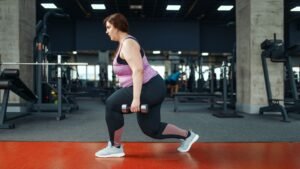
If you’re trying to lose body fat, you may be wondering whether cardio or strength training is the better choice. Both types of exercise support fat loss, but they work in different ways. Cardio helps burn calories and improve cardiovascular fitness, while strength training helps build and preserve muscle as you lose weight. For most adults, combining cardio, strength training, and balanced nutrition is a more effective long-term strategy than relying on either one alone.
Whether you’re a busy professional, a parent, or someone returning to exercise, understanding how these workouts complement each other can help you build a realistic routine that fits your schedule and fitness goals.
What Is Better for Fat Loss: Cardio or Strength Training?
Cardio and strength training can both support fat loss. Cardio generally burns more calories during a workout, depending on the activity and intensity, while strength training helps preserve muscle and improve body composition.
Here’s how they compare:
Cardio: Supports calorie expenditure, heart health, and endurance.
Strength training: Builds or preserves muscle, improves strength, and supports changes in body composition.
Combining both: Helps you work toward fat loss while maintaining strength and overall fitness.
Fat loss primarily requires a sustained calorie deficit, meaning you use more energy than you consume over time. Exercise helps create that deficit, while nutrition, sleep, and consistency influence your results.
How Cardio Helps You Lose Body Fat
Cardiovascular exercise includes activities that raise your heart rate and keep you moving for an extended period. Common examples include brisk walking, jogging, cycling, swimming, dancing, and using an elliptical machine.
Benefits of Cardio for Fat Loss
Cardio can help you:
Burn calories during exercise.
Improve heart and lung health.
Increase stamina and daily energy.
Manage stress and support better sleep.
Build a more active lifestyle.
You don’t need to run long distances or perform exhausting workouts to benefit. A brisk walk around Falls Church, a cycling session, or a low-impact workout at home can contribute to your weekly activity.
How Much Cardio Should You Do?
A useful starting point for most adults is at least 150 minutes of moderate-intensity aerobic activity per week, alongside muscle-strengthening exercise on at least two days. Your appropriate amount may vary depending on your current fitness level, health, and goals.
If you’re new to exercise, begin with 10–20 minutes of comfortable walking and gradually increase the duration as your fitness improves.
Why Strength Training Matters for Fat Loss
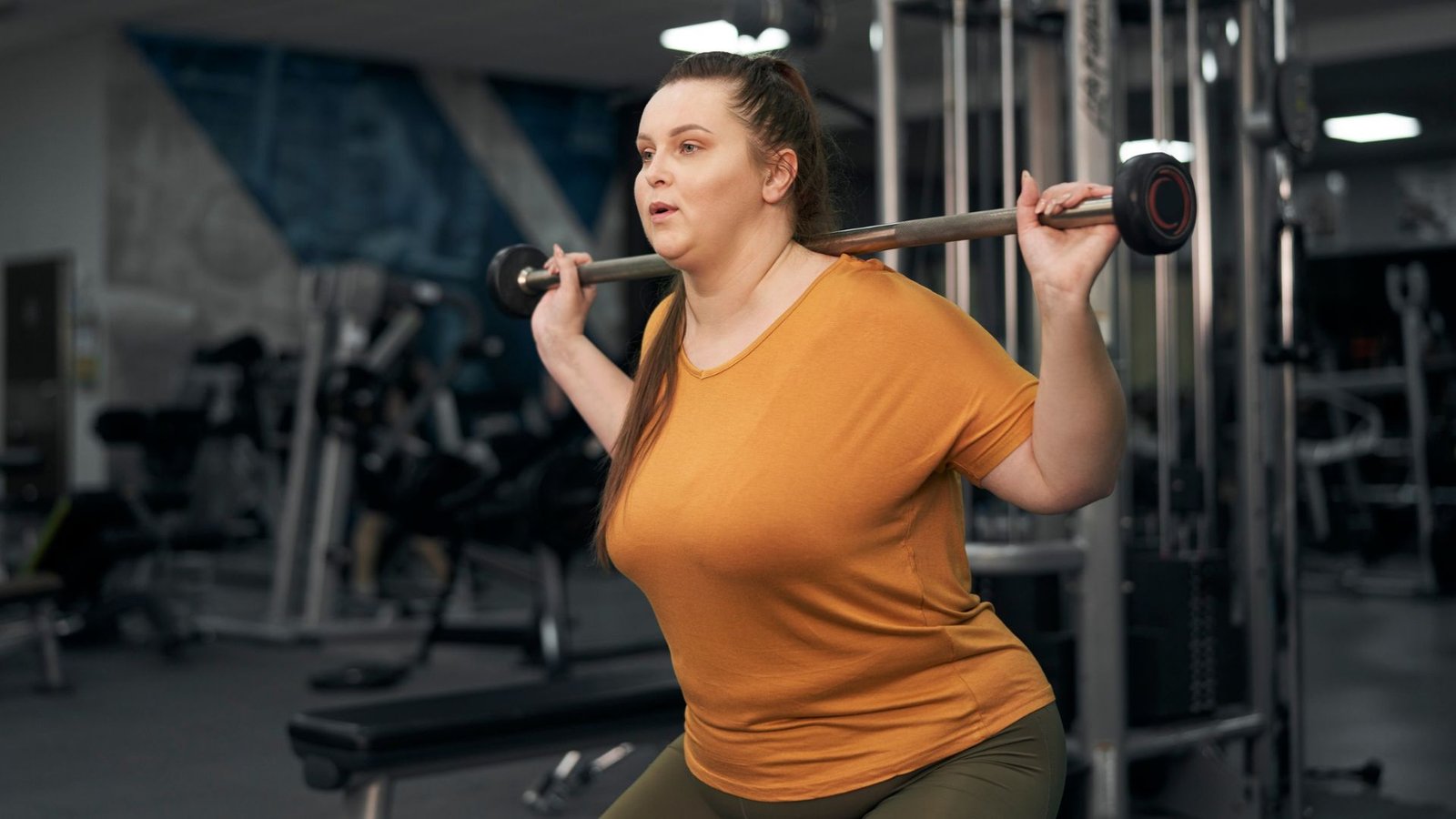
Strength training uses resistance to challenge your muscles. You can lift dumbbells, use resistance bands, work with gym machines, or perform bodyweight exercises such as squats and push-ups.
Benefits of Strength Training
Strength training helps you:
Preserve lean muscle while losing weight.
Build strength for everyday activities.
Improve balance and movement control.
Support healthier body composition.
Maintain physical function as you age.
When you lose weight, the goal is generally to reduce excess body fat while preserving as much muscle as possible. Resistance training, adequate protein, and a sensible calorie deficit can help support that goal.
Although muscle tissue uses energy at rest, gaining muscle does not dramatically increase calorie burn overnight. The main benefits of strength training include maintaining muscle, getting stronger, and improving the way your body functions.
Which Strength Exercises Should You Choose?
A balanced routine should work your major muscle groups. Depending on your ability and available equipment, consider:
Squats or chair squats
Lunges or step-ups
Dumbbell rows
Push-ups or chest presses
Shoulder presses
Glute bridges
Planks or dead bugs
Start with manageable resistance and focus on good technique. As the exercises become easier, gradually increase repetitions or resistance.
Should You Combine Cardio and Strength Training?
For many people, yes. Combining the two provides a balanced approach to fat loss because you can improve cardiovascular fitness while maintaining or building muscle.
You don’t have to do both in every workout. Alternating training days can make your routine easier to manage, particularly if you’re balancing exercise with work and family responsibilities.
For example, you could strength train three days per week and add brisk walking or cycling on two or three other days. Adjust the schedule to your recovery needs and current activity level.
A Simple Weekly Workout Plan for Fat Loss
Here’s an example schedule for a beginner or returning exerciser. Modify the duration and intensity to suit your fitness level.
Day | Workout | Duration |
|---|---|---|
Monday | Full-body strength training | 30–45 minutes |
Tuesday | Brisk walking or cycling | 20–30 minutes |
Wednesday | Full-body strength training | 30–45 minutes |
Thursday | Walking and mobility | 20–30 minutes |
Friday | Full-body strength training | 30–45 minutes |
Saturday | Enjoyable cardio, such as swimming or hiking | 30–45 minutes |
Sunday | Rest or gentle movement | As needed |
If you’re a beginner, two strength sessions per week may be a better starting point. Build up gradually instead of trying to follow the entire schedule immediately.
Nutrition: The Other Part of Fat Loss
Even a well-designed workout routine can produce limited fat loss if your overall calorie intake consistently exceeds your energy needs. You don’t need an extreme diet, but you do need eating habits that support your goals.
Focus on these practical steps:
Include protein at each meal. Eggs, fish, chicken, Greek yogurt, beans, and tofu can help you meet your protein needs and support muscle maintenance.
Eat more fiber-rich foods. Vegetables, fruit, oats, beans, and whole grains can help you feel satisfied.
Watch portion sizes. Choose portions that support gradual progress without leaving you constantly hungry.
Drink water regularly. Stay hydrated throughout the day, especially around workouts.
Get enough sleep. Most adults should aim for seven to nine hours per night.
Avoid crash diets or excessive exercise to force rapid results. A moderate, sustainable approach is generally easier to maintain and better suited to long-term health.
Frequently Asked Questions
Is cardio or strength training better for belly fat?
Neither exercise can specifically target belly fat. Both can support overall fat loss, and combining them with balanced nutrition can help reduce body fat over time.
Should I do cardio before or after strength training?
If building strength is your priority, do strength training first, then cardio if you want to complete both in one session. If endurance is your main goal, doing cardio first may make more sense.
Can I lose fat without doing cardio?
Yes. You can lose fat without formal cardio if your overall energy intake remains below your energy expenditure. However, cardio supports heart health, endurance, and daily activity, so it's worth including when possible.
How long does it take to see fat-loss results?
Results vary with starting body composition, nutrition, activity, sleep, and consistency. Some people notice changes within several weeks, but meaningful progress often takes months. Track trends in body weight, waist measurements, strength, and energy rather than judging progress by one workout.
How many days a week should I exercise to lose fat?
A practical starting point is two or three strength sessions and several moderate cardio sessions each week. Build up gradually based on your schedule, recovery, and fitness level.
Find the Right Balance for Your Fat-Loss Goals
You don’t have to choose between cardio and strength training to lose body fat. Cardio helps you expend energy and improve endurance, while strength training helps preserve muscle and build a stronger body. Combining both with sustainable nutrition and adequate recovery gives you a well-rounded plan for long-term progress.
Ready for a personalized fitness plan?
At Falls Church Personal Training, you can explore training options tailored to your goals, current fitness level, and schedule. Whether you want to lose body fat, build strength, or improve your overall health, personalized guidance can help you train with purpose and stay consistent. Contact the team to discuss a program that fits your needs.